

Low Battery Mode: Essential Guide to Factory Settings & Features
When I hear about Low Battery Mode, I immediately think about how crucial it is for businesses like mine. We all know how frustrating it is when our devices run out of juice during important meetings or while on the go. That's why incorporating low battery mode technology is a game changer. It extends device lifespan and ensures productivity stays intact, which is essential in today’s fast-paced world. When I needed to buy low battery mode solutions for my factory, I found options that fit perfectly with our operational needs. I was impressed with the variety available, tailored for different types of equipment. Investing in this technology not only enhances our device efficiency but also boosts our overall productivity, saving us time and resources. By choosing low battery mode features, I feel confident that we can keep everything running smoothly, even when power sources are limited. Don’t miss out on optimizing your operations like I did!


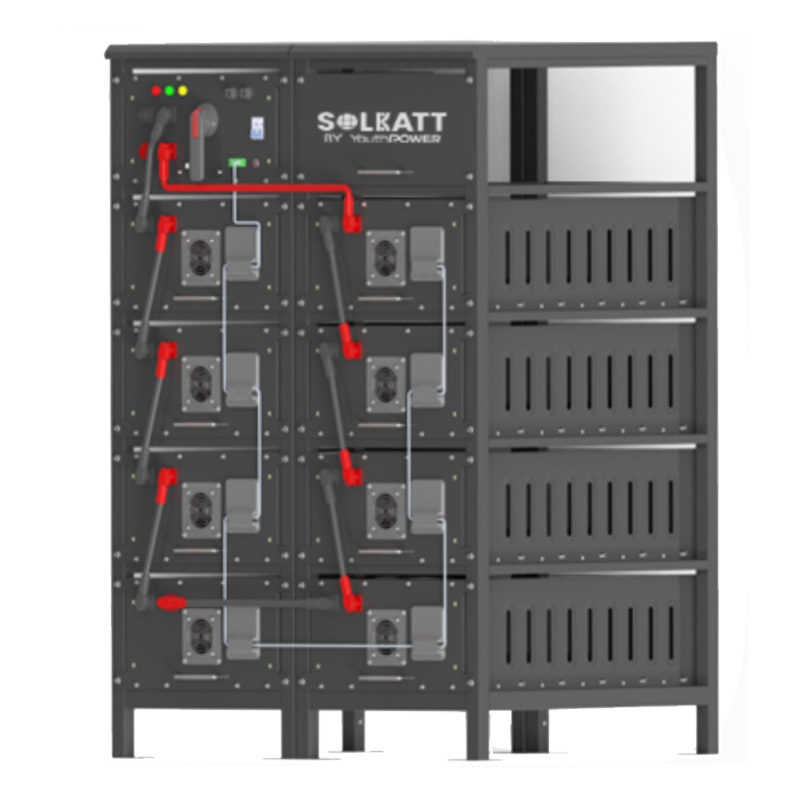

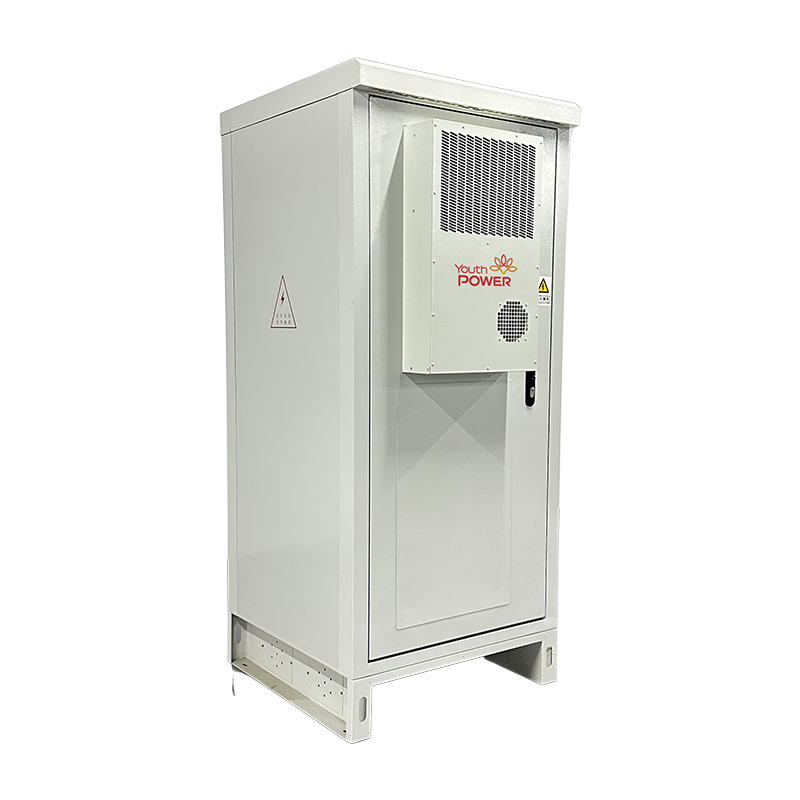

Low Battery Mode For the Current Year From Concept to Delivery
In the fast-evolving world of consumer electronics, the demand for efficient low battery modes has never been greater. As manufacturers strive to extend device longevity without compromising performance, the journey from concept to delivery of these innovations is crucial. Implementing an effective low battery mode not only enhances user experience but also strengthens brand loyalty among consumers who prioritize usability. Developing a low battery mode starts with understanding user behavior and device usage patterns. By identifying when and how devices are used, engineers can create adaptive features that optimize power consumption during critical moments. This involves integrating smart algorithms that intelligently reduce screen brightness, limit background processes, and prioritize essential functions, all while ensuring the device remains functional and responsive. Once the concept is refined, the delivery phase must emphasize robust testing and quality assurance. Collaborating with global suppliers to achieve the best materials and components is vital. By focusing on sustainability and energy efficiency, companies can position their offerings competitively in the market, attracting eco-conscious consumers and businesses alike. As we navigate through the current year, the commitment to innovation in low battery technologies will undoubtedly play a significant role in shaping the future of consumer electronics.
| Phase | Description | Objectives | Timeline | Status |
|---|---|---|---|---|
| Concept Development | Identify user needs and technical specifications for low battery mode. | Gather user feedback and finalize requirements. | January 2023 - February 2023 | Completed |
| Design | Create wireframes and prototypes to illustrate design ideas. | Finalize design for user interface. | March 2023 - April 2023 | Completed |
| Development | Coding of low battery mode features and integration with existing systems. | Implement features according to design specifications. | May 2023 - August 2023 | In Progress |
| Testing | Perform unit, integration, and user acceptance testing. | Ensure quality and functionality of the low battery mode. | September 2023 | Planned |
| Deployment | Release low battery mode to users. | Monitor user feedback and performance. | October 2023 | Upcoming |
Related Products

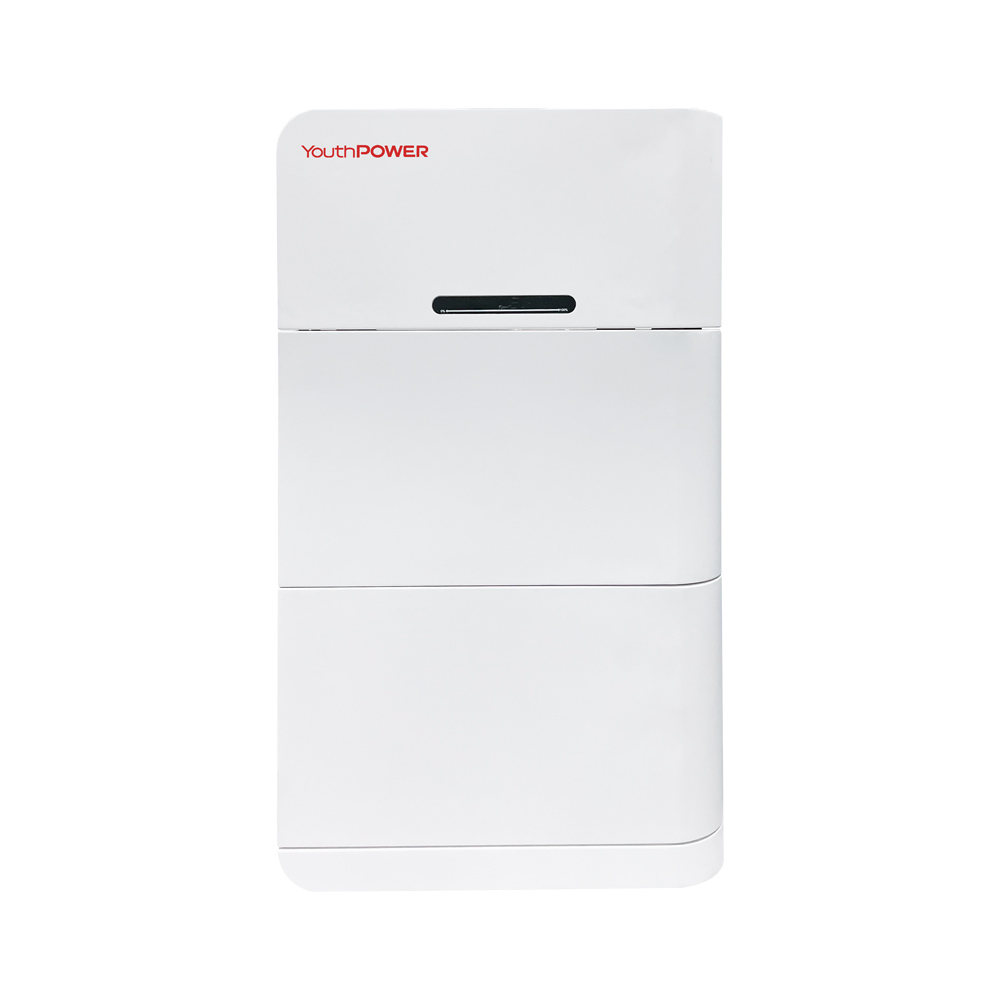
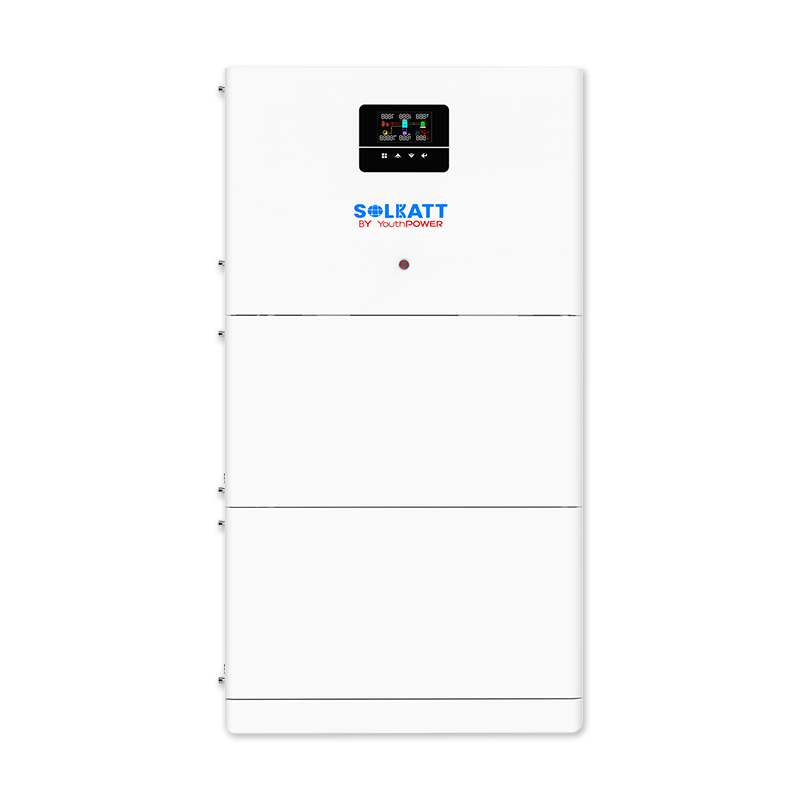


Low Battery Mode Service Supplies the World\u2019s Top Brands
Top Selling Products


- Related Blog
- Related Videos
- Reviews
